1.jpg
previous arrow
next arrow
PlayPause

Department of Classics

Rutgers Classics Syllabi Archive

580 Latin Courses

Note:  Links on course titles indicate if syllabus is available.

580 101 ELEMENTARY LATIN I
580 101 ELEMENTARY LATIN I (summer)
580 101 ELEMENTARY LATIN I (online)
580 102 ELEMENTARY LATIN II
580 102 ELEMENTARY LATIN II (summer)
580 102 ELEMENTARY LATIN II (online)
580 201 INTRO LATIN PROSE
580 202 INTRO LATIN POETRY
580 202 INTERMEDIATE LATIN PROSE
580 203 INTERMED LATIN PROSE
580 204 INTERMEDIATE LATIN POETRY
580 302 MEDIEVAL LATIN
580 303 CICERO PHILOS WRITING
580 304 CICERO ORATIONS
580 310 PROSE/POETRY IN THE AGE OF AUGUSTUS
580 321 ROMAN COMEDY
580 323 LUCRETIUS
580 324 SALLUST
580 325 HISTORY OF LIVY
580 327 LATIN ELEGY
580 328 ROMAN SATIRE
580 329 TACITUS (version1)
580 329 TACITUS (version2)
580 335 LATIN PROSE COMPOSITION
580 369 SEMINAR IN LATIN
580 370 SEMINAR IN LATIN [here, Seneca Moral Epistles]
580 401 ADV STUDY POETRY OVID
580 402 ADV STUDY VERGIL AENEID
580 403 LIT OF THE REPUBLIC
580 404 LIT OF THE EMPIRE
580 407 ADV ST POETRY HORACE

New & Noteworthy

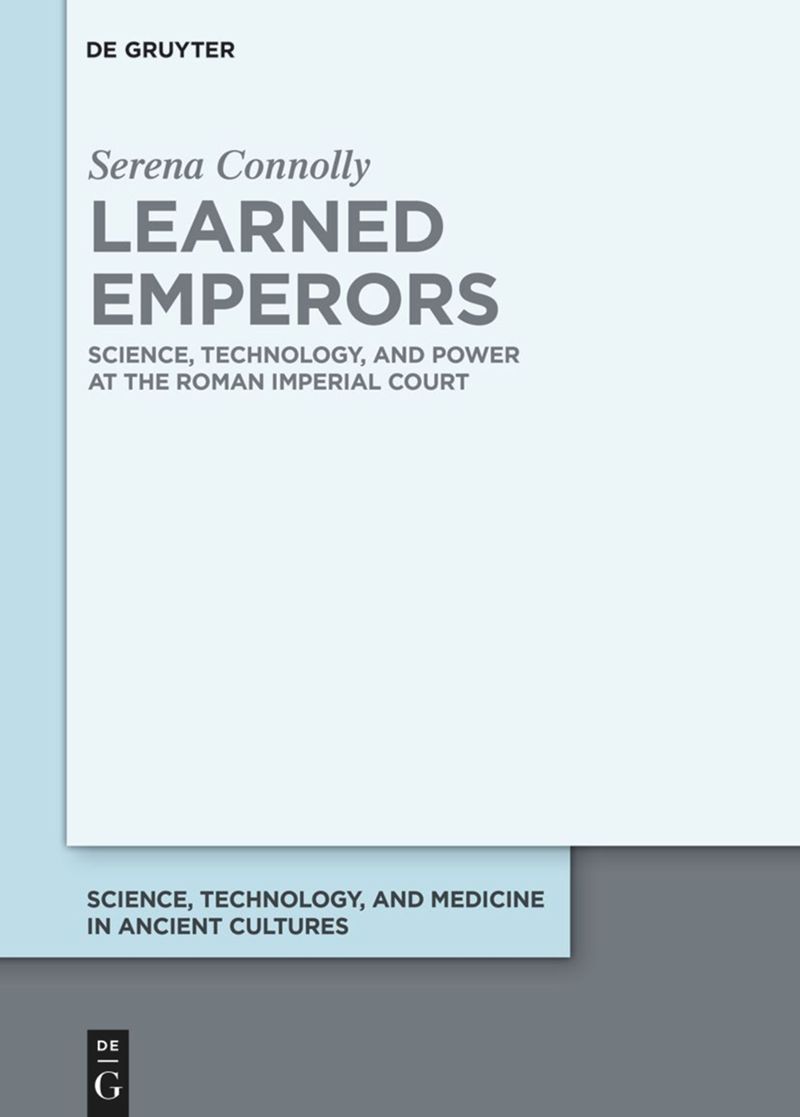
New book published by Serena Connolly

  • This image shows the cover of the academic book Learned Emperors: Science, Technology, and Power at the Roman Imperial Court by Serena Connolly, published by De Gruyter.
  • In Learned Emperors: Science, Technology, and Power at the Roman Imperial Court, Professor Serena Connolly argues that science and technology were a source of power to Julio-Claudian emperors: professions of knowledge, discernment, and mastery of them enabled emperors to delight, entertain, awe, and even terrify their subjects. Early modern historians have explored the ways in which various European rulers employed intellectualism, specifically an interest in science and technology, as part of their personas. Her book demonstrates that Roman emperors anticipated them by over a millennium. Intellectualism was not a pet interest among individual scholarly rulers, but rather a consistent feature of the emerging imperial persona of the first century CE that should be considered alongside other long-recognized sources of power, such as military prowess, physical strength, and arrogation of reverend status. Making new use of familiar texts (including the narrative accounts of historian Tacitus and the biographies of Suetonius), along with less read works (such as the Elder Pliny’s encyclopedia and Phlegon of Tralles’ paradoxography), Learned Emperors examines the intersections of science, technology, and the practice of power to propose a fresh notion of what a Roman emperor was—or professed to be.

    Link to More Information